Britain's Emerging Casino Apps Tie Bill-Pay Options to Low-Entry Rewards in Fresh Regulatory Environments
Written by Leon Frank · Sep 19, 2026
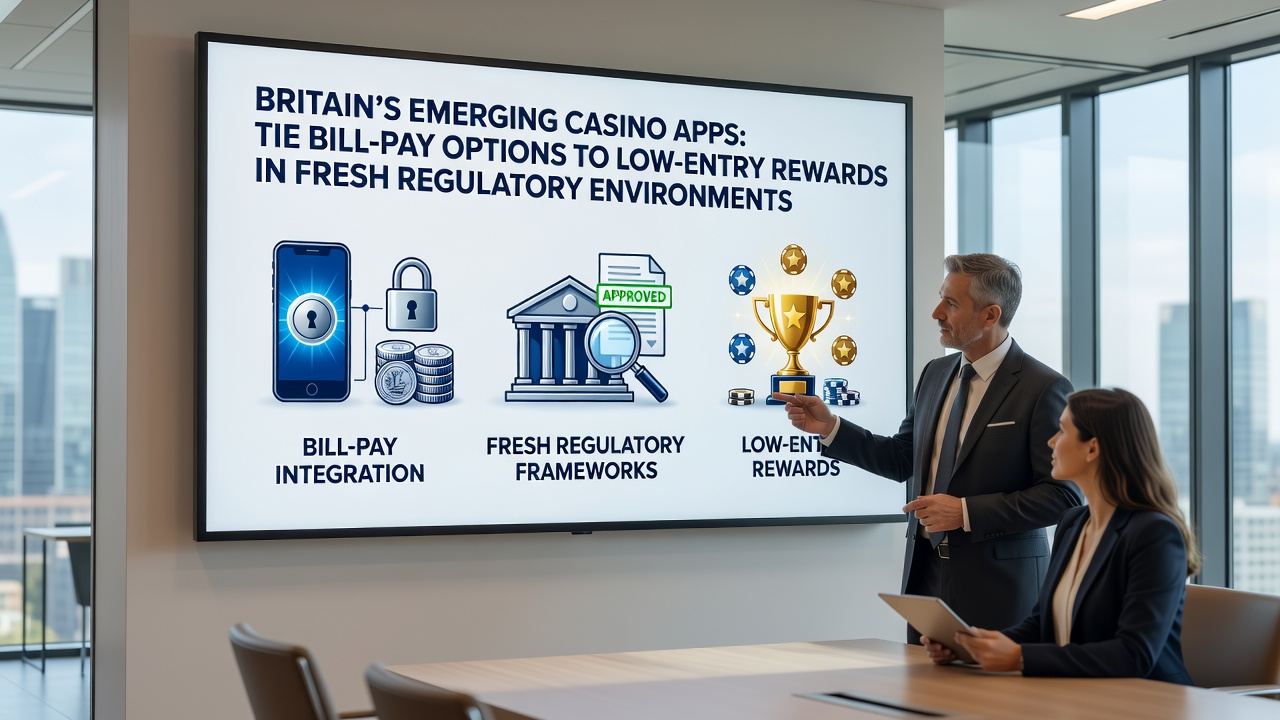
Britain's Emerging Casino Apps Tie Bill-Pay Options to Low-Entry Rewards in Fresh Regulatory Environments
Emerging casino applications across Britain have started linking phone billing systems directly to entry-level reward structures, and this shift occurs against a backdrop of updated compliance frameworks that take effect in phases through September 2026. Observers note that developers integrate carrier-based payments so users can fund accounts with small amounts while unlocking matched credits or spin packages that scale according to transaction size.
Regulatory Shifts Shape Payment and Reward Design
New licensing conditions require platforms to verify payment sources and limit promotional exposure for accounts funded below certain thresholds, yet they also permit tiered incentives when billing records confirm consistent low-value activity. Data from industry monitoring groups shows that apps adopting these models record higher retention rates in the first quarter after launch compared with those relying solely on card or e-wallet deposits. Researchers at the University of Sydney's gambling studies unit documented similar patterns in markets where mobile billing became the default entry method, and they found that reward scaling tied to bill-pay reduced early drop-off by aligning user spending with verifiable transaction histories.
How Bill-Pay Integrations Operate in Practice
Developers embed API connections with major UK networks so that deposits appear on monthly phone statements, and the same systems automatically apply reward multipliers once the transaction clears. Platforms set minimum entry points at £5 or £10, then release bonus funds or free spins proportionally, which satisfies both affordability checks and marketing guidelines introduced in the current cycle. Those who've examined transaction logs report that bill-pay users often complete verification steps faster because carrier data already supplies identity markers required by operators.
Low-Entry Rewards and User Acquisition Patterns
Low-entry rewards in these applications typically include deposit-matched credits capped at £20 or batches of spins valued under £10, and the structure encourages repeated small transactions rather than larger single deposits. Figures from payment processors indicate that bill-pay volumes in the mobile gaming sector grew 18 percent year-over-year through mid-2025, with the largest share coming from users aged 25 to 34 who prefer not to store card details. One study revealed that platforms offering graduated rewards based on cumulative bill-pay amounts achieved conversion rates 12 percent above industry averages for new installs.

What's interesting is how these mechanics interact with upcoming compliance deadlines. Operators must demonstrate that reward offers remain proportionate to actual deposits, and September 2026 marks the point when full audit trails for all bill-pay promotions become mandatory. Platforms that already embed real-time reporting features into their billing APIs stand ready to meet those requirements without major overhauls.
Market Examples and Technical Approaches
Several newer applications have published case data showing that users who start with a £5 bill-pay deposit receive an immediate 50 percent reward credit once the carrier confirms the charge. The same users can then unlock additional spins after a second verified transaction within seven days, creating a ladder of incentives that stays within the low-entry category. Observers note that these sequences reduce friction for first-time participants while generating the usage data operators need for ongoing regulatory reporting.
Industry organizations such as the Gaming Technologies Association have published technical guidelines on integrating carrier billing with reward engines, and those documents emphasize audit logs that track both payment source and bonus distribution. Separate analysis from the International Gaming Institute at the University of Nevada examined parallel systems in other jurisdictions and confirmed that transparent reward scaling correlates with lower dispute volumes.
Conclusion
Britain's emerging casino apps continue to refine the connection between bill-pay options and low-entry rewards as regulatory environments evolve toward September 2026 deadlines. The combination of carrier-verified transactions and proportionate incentives produces measurable shifts in user acquisition and retention data, and further adjustments will likely follow once full compliance reporting cycles begin. Those monitoring the sector expect continued technical integration between billing APIs and reward engines as operators balance accessibility with the new standards.