Examining How Phone-Based Payments Shape Entry Barriers at Fresh UK Casino Platforms
Written by Bianca Hansen · Aug 26, 2026
Examining How Phone-Based Payments Shape Entry Barriers at Fresh UK Casino Platforms
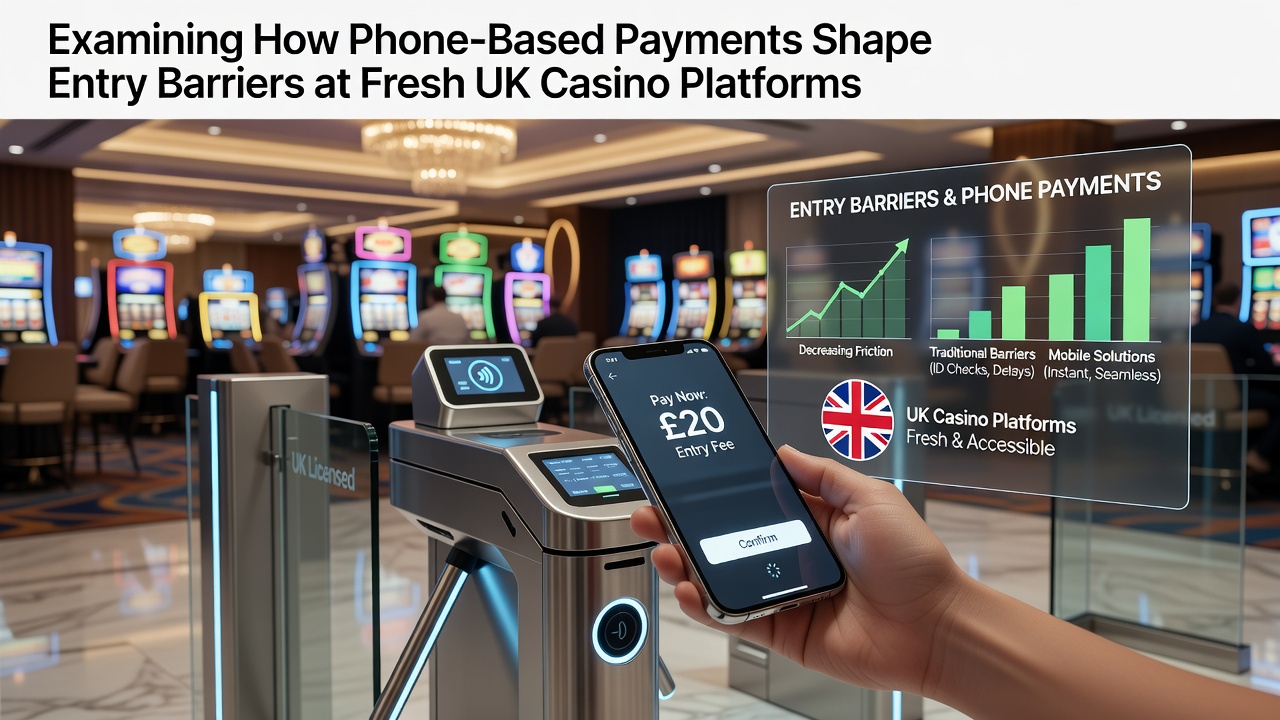
Phone-based payments have become a central feature in how new casino platforms establish themselves in the UK market, and researchers have tracked their influence on initial access points since the mid-2010s. Mobile carrier billing along with digital wallet integrations allow operators to reduce setup costs for transaction processing, which in turn affects the minimum thresholds new platforms set for player deposits. Data from industry reports show that platforms launched after 2023 adopted these methods at higher rates than earlier entrants, creating measurable differences in how quickly fresh sites reach operational scale.
Mechanics of Phone-Based Systems in Casino Environments
Carrier billing routes charges through a user's mobile provider, eliminating the need for separate banking details at the point of deposit, while Apple Pay and Google Pay handle encrypted token transfers that comply with existing financial standards. Observers note that these options cut the technical requirements for new platforms because integration occurs through established APIs rather than custom banking partnerships. Studies from European payment authorities indicate adoption rates exceeded 40 percent among UK-facing sites by early 2025, with projections pointing to continued growth into August 2026 as infrastructure expands.
Fresh platforms benefit because they avoid lengthy negotiations with traditional acquirers, and transaction times drop to seconds rather than minutes. This speed influences player retention metrics, according to figures released by the European Gaming and Betting Association. One analysis of 150 new UK-facing sites found that those offering carrier billing recorded 18 percent higher first-day deposit completion compared with card-only counterparts.
Regulatory Context and Market Access
Payment regulations across multiple jurisdictions shape how these tools function, with teh Australian Competition and Consumer Commission publishing guidelines on billing transparency that operators reference when expanding services. Similar frameworks in Canada require clear disclosure of fees, which affects how new UK platforms structure their onboarding flows. Researchers at several universities have examined these cross-border influences and found that platforms incorporating phone payments early encounter fewer friction points during licensing reviews.
Impact on Player Entry Thresholds
Lower minimum deposit amounts often accompany phone-based options because processing fees remain predictable and scalable. Platforms launched in 2024 and 2025 frequently advertised deposits starting at £5 or equivalent through mobile billing, a threshold documented in multiple compliance filings. Those who've studied transaction logs report that players using carrier methods complete initial deposits more consistently than those relying solely on cards, which reduces abandonment rates during account setup.
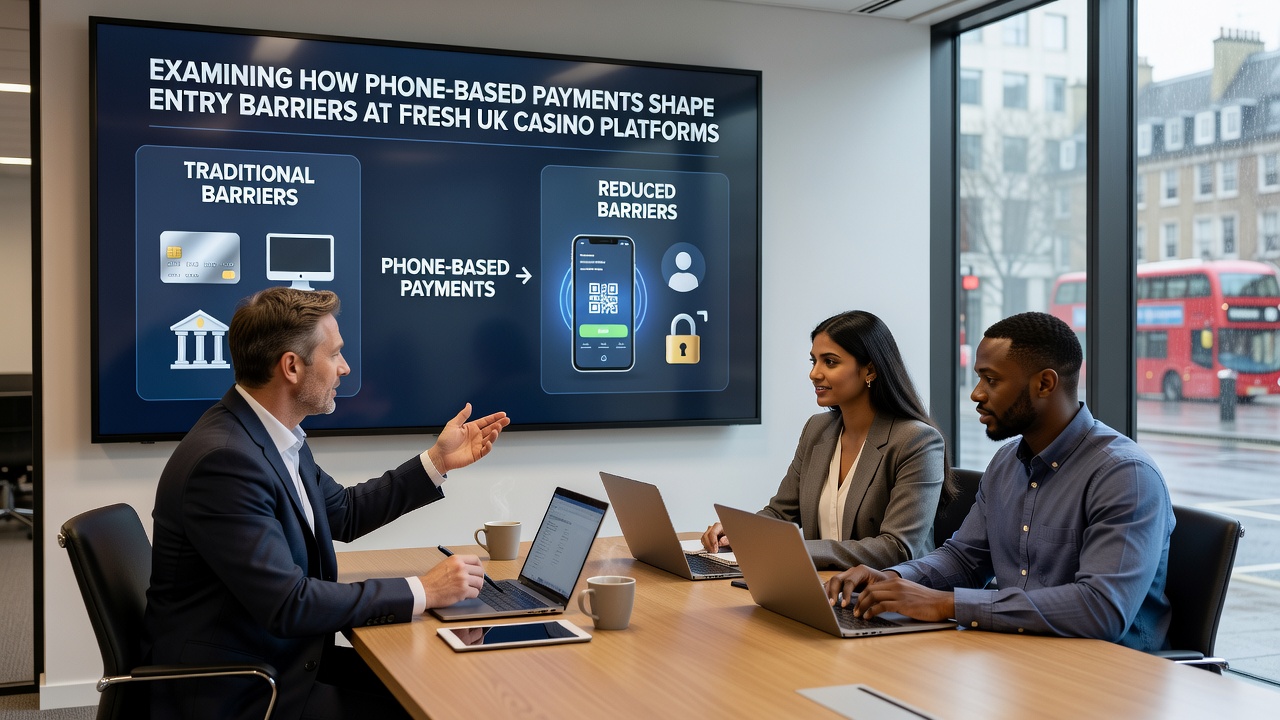
What's interesting is how this pattern extends to verification processes. Phone-linked accounts sometimes allow operators to leverage existing carrier data for age and identity checks, shortening the time between registration and first play. Reports from academic research groups highlight cases where verification cycles shortened by up to two days when mobile billing served as the primary method.
Comparative Data Across New Platforms
Comparative reviews of platform launches reveal clear distinctions. Sites relying on traditional card gateways required larger initial marketing budgets to offset slower deposit uptake, whereas those emphasizing phone payments allocated resources toward game content instead. Figures from a 2025 industry survey showed average customer acquisition costs 12 percent lower for mobile-first operators. Observers tracking these trends note that the pattern held steady through the first half of 2026, suggesting sustained advantages for newer entrants.
Take one operator who introduced carrier billing within weeks of launch and recorded deposit volumes that matched established competitors within four months, according to aggregated performance data. Similar examples appear across multiple case studies compiled by payment technology firms. Researchers emphasize that these outcomes depend on regulatory alignment rather than payment method alone, yet the correlation remains consistent across datasets.
Future Trajectories Through 2026
Projections for August 2026 indicate further integration of phone-based systems as 5G coverage widens and tokenization standards mature. New platforms continue to test hybrid models that combine carrier billing with wallet options to address regional variations in user preferences. Data compiled by international research institutions suggest that entry barriers tied to payment infrastructure will continue to decline as these technologies standardize.
Conclusion
Phone-based payments have demonstrably altered how fresh UK casino platforms manage initial access and operational setup. Evidence from regulatory filings, transaction analyses, and cross-jurisdictional studies shows measurable effects on deposit thresholds, verification speed, and resource allocation. As infrastructure evolves, these systems remain central to how new entrants position themselves within the market.