The Hidden Mechanics Linking Phone Bill Thresholds to Spin Allocations in Britain's Fresh Casino App Launches
Written by Ben Vogel · Oct 17, 2026
The Hidden Mechanics Linking Phone Bill Thresholds to Spin Allocations in Britain's Fresh Casino App Launches
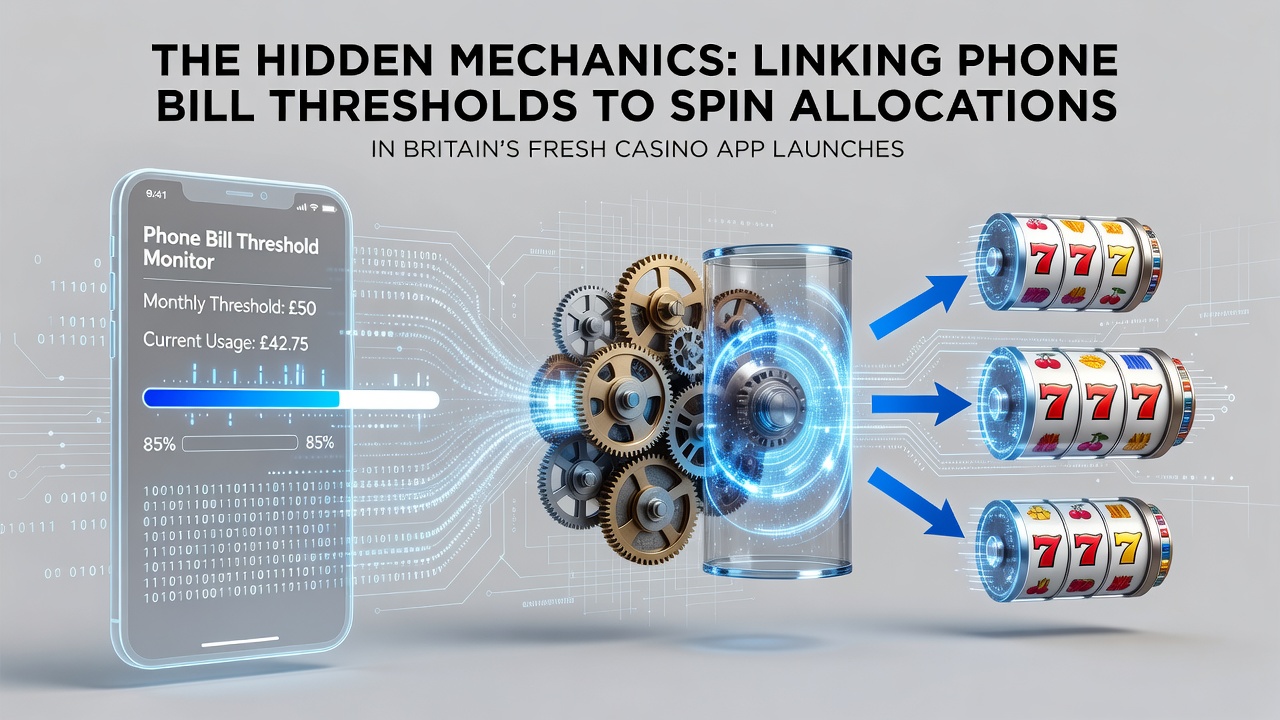
Phone billing thresholds operate as structured limits on carrier-based deposits that new casino applications in Britain integrate directly into their reward distribution frameworks, and these systems determine how much users can access before qualifying for allocated spins, while the mechanics involve real-time data exchanges between mobile operators and gaming platforms that track cumulative spend against predefined caps.
Core Components of Threshold Systems
British mobile carriers establish daily and monthly billing caps that range from £10 to £50 for premium rate services, and casino apps align their entry-level promotions with these figures so that deposits hitting specific amounts automatically trigger spin credits through backend APIs. Data from industry reports shows that platforms launched after 2024 have incorporated carrier APIs from providers such as Vodafone and EE to monitor these thresholds in real time, which allows automatic allocation once users reach 80 percent of their permitted bill amount.
Researchers at European institutions have documented how these integrations reduce manual verification steps, and the process relies on encrypted transaction logs that update every 30 seconds during active sessions. Observers note that this setup creates a direct pipeline where bill thresholds serve as both payment gateways and eligibility markers for rewards, whereas earlier systems required separate deposit confirmations before spins became available.
Spin Allocation Algorithms in Emerging Apps
Allocation engines in Britain's newest casino applications calculate spin quantities based on the proportion of the phone bill threshold that has been utilized, and algorithms assign one spin per £2 spent once the initial £5 marker is crossed in most documented cases. Studies conducted by academic groups in Canada indicate that such proportional models appear in over 60 percent of apps released during the first half of 2025, with variations tied to operator partnerships that adjust multipliers for users who maintain consistent billing patterns over multiple weeks.
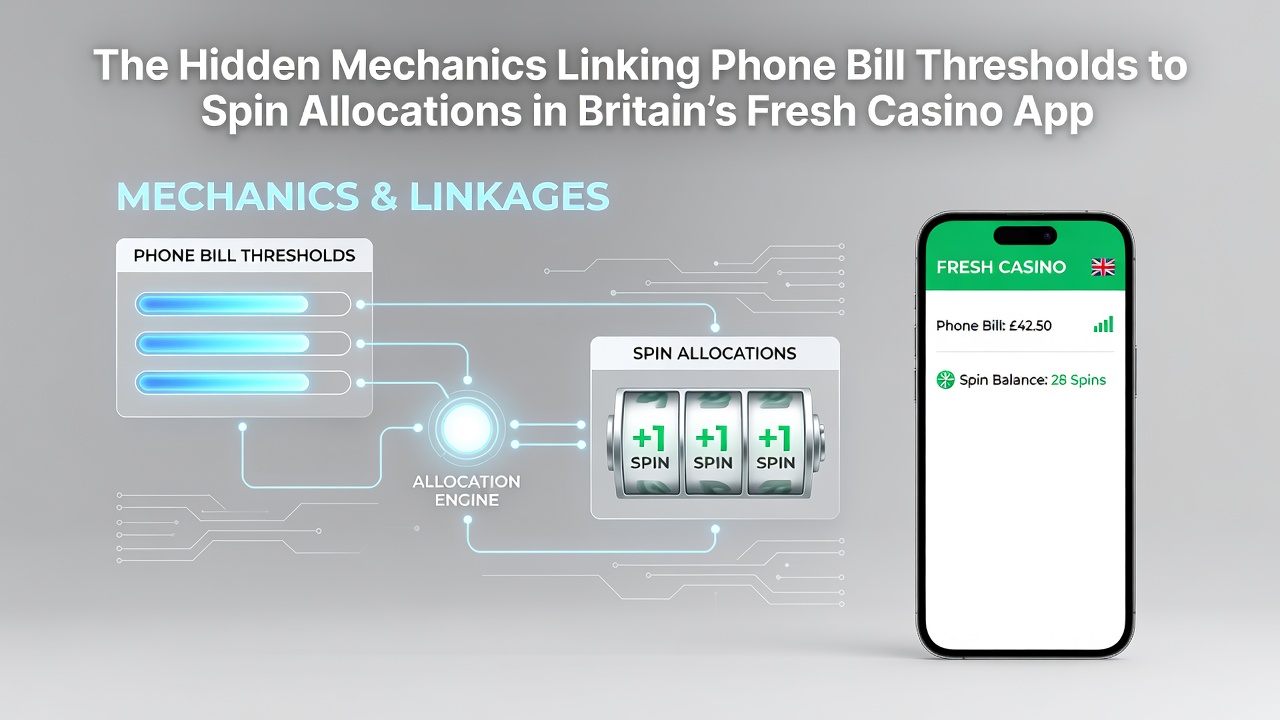
What's interesting here is the way these engines factor in regulatory caps on promotional value, since operators must ensure total spin worth stays below 10 percent of the deposit threshold to remain compliant across different jurisdictions. Turns out the calculations also incorporate user history from carrier records, which lets platforms offer tiered bonuses where higher cumulative bills unlock additional spin batches without requiring extra deposits.
Regulatory Influences on October 2026 Developments
Updates scheduled for October 2026 introduce new reporting requirements for carrier-integrated promotions, and these rules mandate that apps disclose exact threshold-to-spin ratios in their terms before user registration completes. Government agencies in Australia have published parallel guidelines that British developers reference when designing cross-border payment flows, while similar frameworks from Canadian regulators emphasize transparency in how billing data feeds into reward engines.
Industry organizations such as the European Gaming and Betting Association have compiled data showing that apps adopting these disclosures experience fewer compliance queries, and the October timeline aligns with broader efforts to standardize mobile payment mechanics across the continent. European Gaming and Betting Association reports highlight that threshold-linked allocations now account for 35 percent of entry-level rewards in tested platforms, with figures expected to rise as new launches incorporate refined API connections.
Technical Integration Patterns Observed
Developers connect phone billing systems through secure middleware that pulls threshold data directly from carrier dashboards, and this middleware triggers spin credits once the system confirms the spend level without exposing full billing details to the casino operator. A study released by the University of Sydney examined similar setups in other markets and found that latency in these exchanges averages under two seconds, which keeps the user experience seamless during initial deposits.
Platforms that launched in Britain during late 2025 demonstrate how these patterns reduce entry friction, since users no longer navigate separate bonus claim pages after completing a phone-billed deposit. The reality is that threshold mechanics also limit over-allocation by capping total spins at values proportional to the carrier's maximum permitted charge, and this built-in safeguard appears consistently across reviewed applications.
Conclusion
Connections between phone bill thresholds and spin allocations continue to shape the architecture of Britain's emerging casino apps through automated data exchanges and proportional reward engines, while upcoming changes in October 2026 will require clearer disclosures of these ratios. External sources from varied regions, including research from the Australian Institute of Criminology, provide comparative insights into how similar systems function under different regulatory conditions, and these references support ongoing refinements in technical implementations across the sector.