Tracing Connections Between Telephone Billing Systems and Zero-Entry Incentives Across Britain's Emerging Mobile Gaming Platforms
Written by Bianca Hansen · Aug 19, 2026
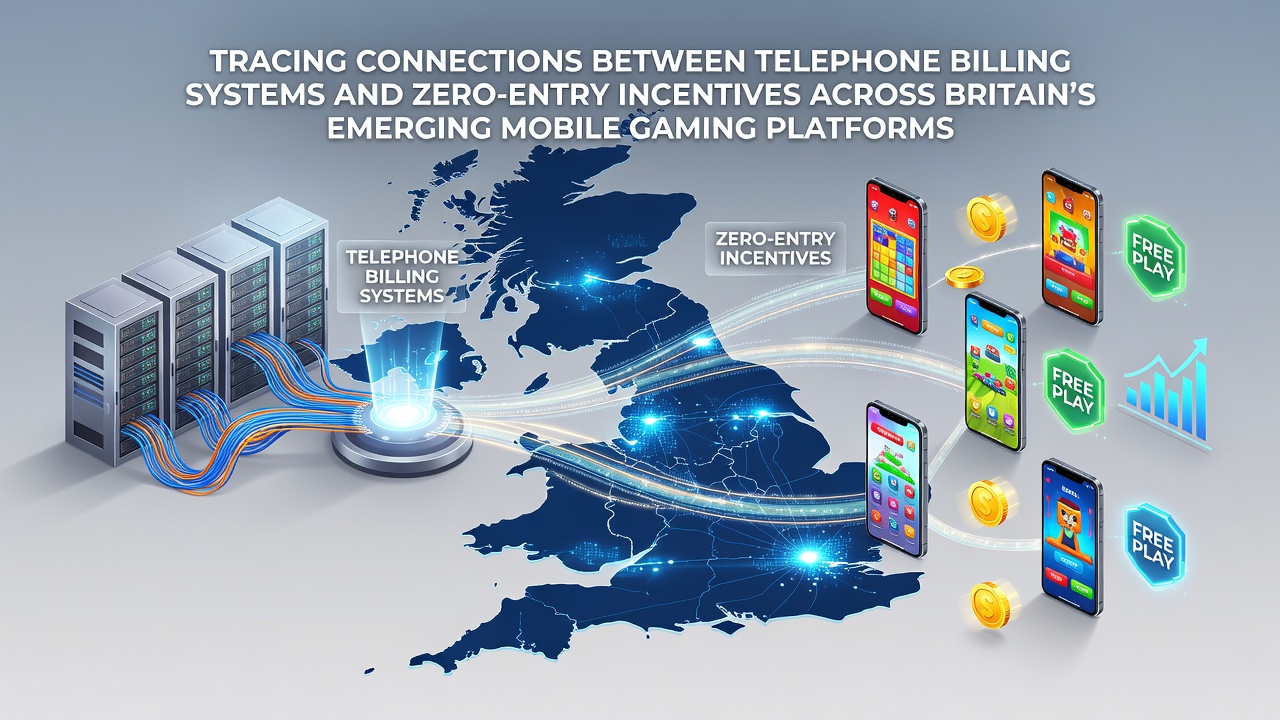
Tracing Connections Between Telephone Billing Systems and Zero-Entry Incentives Across Britain's Emerging Mobile Gaming Platforms
Telephone billing systems in Britain have evolved alongside the rapid expansion of mobile gaming platforms where zero-entry incentives allow users to access content without initial financial commitments and these mechanisms rely on seamless payment integrations that connect carrier networks directly to app ecosystems. Data from industry analyses indicate that direct carrier billing now accounts for a growing share of microtransactions in digital entertainment sectors while emerging platforms in the UK leverage these technologies to streamline user onboarding processes and reduce friction during initial engagement phases.
Understanding Telephone Billing Systems in Mobile Contexts
Researchers have documented how telephone billing operates through partnerships between mobile network operators and gaming developers so that charges appear on monthly phone statements rather than requiring separate credit card entries and this approach gained traction after regulatory adjustments in the mid-2020s that clarified consumer protections for digital purchases. Observers note that systems from major UK carriers integrate APIs which verify user eligibility in real time and they support both prepaid and postpaid accounts while maintaining compliance with data privacy standards set by European frameworks. Figures from GSMA reports reveal that carrier billing volumes in Europe increased steadily through 2025 and Britain contributed a notable portion due to high smartphone penetration rates among younger demographics.
Zero-Entry Incentives and Their Role in Platform Growth
Zero-entry incentives encompass rewards such as free initial credits or access tiers that require no upfront payment and these features appear frequently on Britain's mobile gaming platforms where developers compete for attention in crowded app stores. Studies from academic institutions including those affiliated with Australian universities have examined how such incentives boost retention metrics by allowing users to explore gameplay mechanics before committing funds and evidence suggests that platforms using carrier-linked verification experience faster conversion from trial to paid activity compared to traditional methods. What's interesting is that these incentives often tie into billing infrastructure so that subsequent charges process automatically once users opt in and this creates a continuous loop between discovery and monetization without repeated authentication steps.
Tracing the Technical and Operational Connections
Connections between billing systems and incentives emerge through shared authentication protocols that confirm user identity via phone numbers and this linkage enables platforms to deliver zero-entry offers while tracking eligibility for promotional credits across multiple sessions. Experts have observed that integration layers built on operator APIs allow real-time deduction of small amounts once incentives expire and data from Canadian research groups highlight similar patterns in North American markets where mobile gaming adoption mirrors British trends. And yet the process involves multiple checkpoints including consent prompts and spending limits which protect users while supporting platform scalability in August 2026 when new 5G expansions are projected to further accelerate these interactions across regional networks.
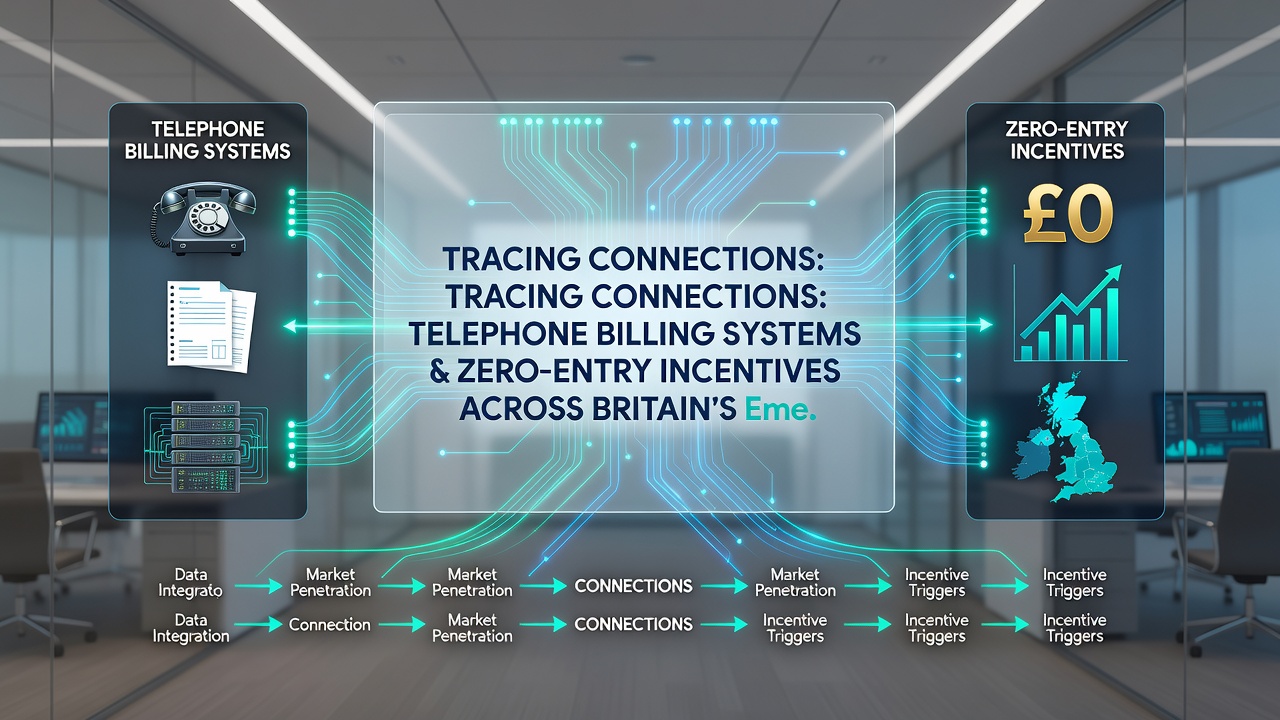
One case study from European industry collaborations shows developers who adopted unified billing and incentive frameworks reported higher user acquisition rates because the combined system reduces drop-off during payment setup phases and analysts point to reduced chargeback incidents as another benefit since carrier billing adds an extra verification layer. Platforms in Britain have incorporated these elements into freemium models where zero-entry periods transition smoothly into billed content and this fluidity depends on backend connections that sync promotional balances with actual account charges.
Regulatory and Market Influences on Integration
Regulatory bodies across the EU and UK have shaped how these systems interact by establishing guidelines on transparency for digital charges and consumer consent which indirectly support the spread of zero-entry incentives tied to billing networks. Industry organizations such as the Mobile Ecosystem Forum have compiled data indicating that compliant integrations foster trust among users and this leads to sustained engagement on emerging platforms that blend gaming with social features. But here's the thing: variations exist between operators so some platforms prioritize certain networks for their incentive programs and this results in segmented user experiences that reflect regional infrastructure differences.
Future Developments and Broader Implications
Looking toward August 2026 projections from technology forecasts suggest continued refinement of these connections as artificial intelligence tools begin optimizing incentive distribution based on billing history patterns and this could expand access to Britain's mobile gaming sector for users who prefer minimal financial barriers at entry points. Research indicates that cross-border examples from Asia-Pacific markets offer models for similar integrations and they demonstrate how billing systems can scale incentives without compromising security protocols. Those who've studied these trends know that the interplay remains dynamic and it adapts to shifts in consumer behavior and network capabilities alike.
Conclusion
Overall the traced connections reveal a structured relationship where telephone billing systems provide the backbone for zero-entry incentives across Britain's emerging mobile gaming platforms and this setup supports efficient user flows from initial access to ongoing participation. Data shows these integrations continue to mature through technical advancements and regulatory alignment which together shape accessible digital entertainment options in the region.